
Mastering Second Fermentation: Unlock Your Kombucha's Full Potential
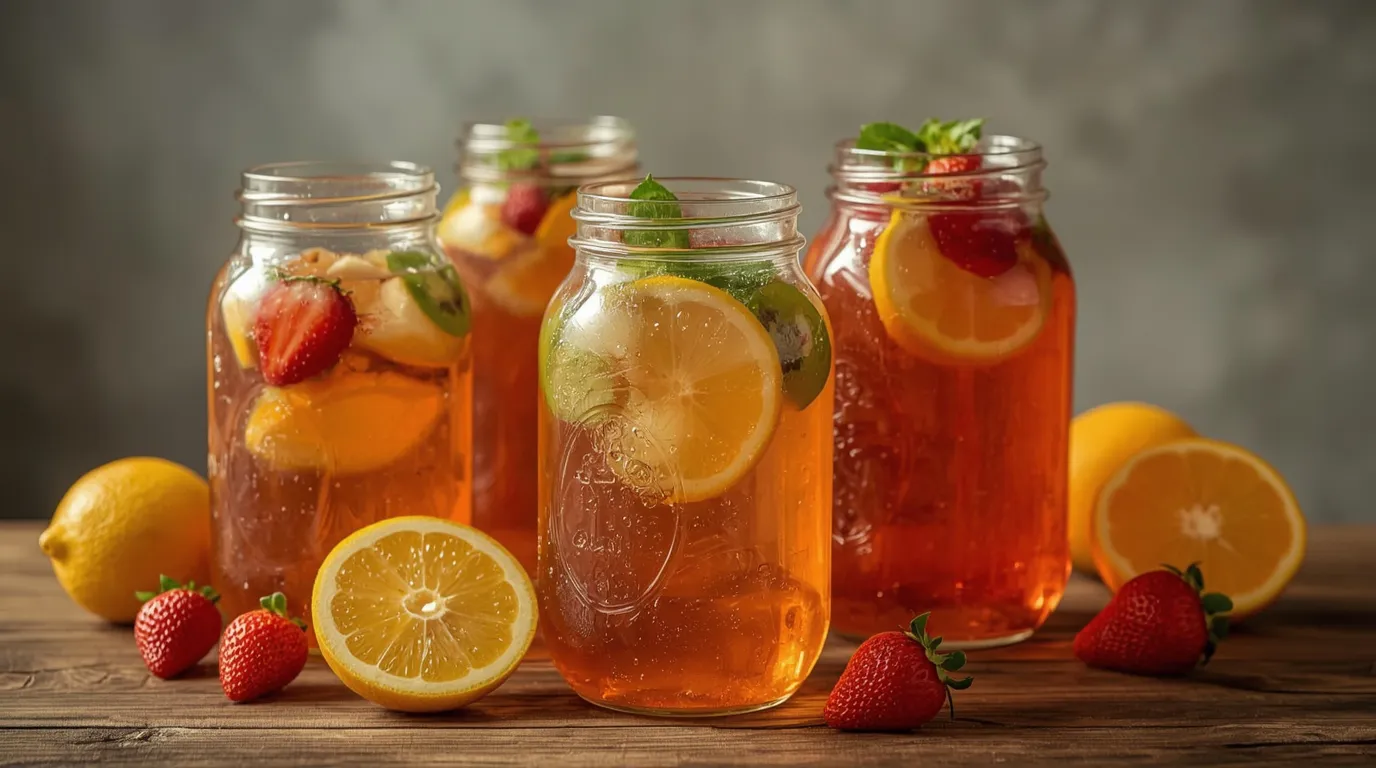
Mastering Second Fermentation: Unlock Your Kombucha's Full Potential
Kombucha, a fermented tea beverage, has gained incredible popularity due to its unique flavor profile and potential health benefits. But did you know that the true magic of crafting perfect kombucha often happens during what's known as "second fermentation"? This crucial process transforms a slightly tart base brew into a fizzy, aromatic, and uniquely tailored creation that you can customize to your exact taste preferences.
Whether you're an experienced kombucha brewer or just starting this exciting journey by getting your SCOBY starter culture, second fermentation opens up endless possibilities for experimenting and perfecting your drink. In this article, we'll reveal all the secrets to mastering second fermentation, so you can create restaurant-quality kombucha right in your own kitchen.
What is Second Fermentation & Why It's Crucial for Great Kombucha
Understanding the Process
Kombucha brewing involves two primary fermentation stages:
- First Fermentation – This is the basic process where the SCOBY (Symbiotic Culture of Bacteria and Yeast) converts sweetened tea into a tart, fermented beverage. This stage typically lasts 7-14 days.
- Second Fermentation (F2) – An additional stage that occurs without the SCOBY. During F2, the base kombucha is infused with flavors from fruits, spices, or herbs and naturally carbonates (becomes fizzy) in a sealed bottle. This stage usually lasts 1-7 days.
Why Second Fermentation is Important
Second fermentation serves several vital functions:
- Creating Natural Carbonation – Producing effervescent bubbles, much like champagne.
- Enhancing Flavor – Softening the tartness of the base kombucha.
- Adding Aromatics – Infusing the beverage with fruity, floral, or spicy notes.
- Boosting Nutritional Value – Enriching the kombucha with additional nutrients from added ingredients.
Essential Tools & Ingredients for F2 Kombucha
For successful second fermentation, you'll need the following:
Mandatory Items:
- Base Kombucha – The finished product of your first fermentation (without the SCOBY).
- Airtight Bottles – Swing-top (flip-top) bottles or specialized kombucha bottles with airtight caps are best.
- Funnel – Preferably one with a wide opening.
- Fine-Mesh Sieve – For straining out added ingredients before serving.
Optional Tools for Convenience:
- Measuring Cup – For precise dosing.
- Siphon Hose – For clean transferring.
- Rubber Gloves – To protect hands when handling acidic kombucha.
- Labels or Marker – For noting the date and flavor.
Step-by-Step Guide to Second Fermentation
Step 1: Preparing Your Base Kombucha
- Ensure your base kombucha has completed its full first fermentation cycle (7-14 days).
- Gently remove the SCOBY and set it aside with 1-2 cups of starter tea for your next batch.
- Taste your base kombucha – it should be pleasantly tart but not overly vinegary.
Step 2: Preparing Your Flavorings
Choose fresh, high-quality ingredients for flavoring:
- Fruits & Berries – Chop into small pieces or puree.
- Juices – Use freshly squeezed or natural juices without preservatives.
- Herbs & Spices – Crush or chop to better release their aromas.
- Sweeteners – Add if necessary to boost carbonation.
Step 3: Mixing & Bottling
- Add your prepared flavorings to the airtight bottles (filling approximately 10-20% of the bottle's volume).
- Pour the base kombucha into the bottles, leaving 2-3 cm (1-1.5 inches) of headspace from the rim.
- Seal the bottles tightly.
- Gently swirl or invert to mix the ingredients.
Step 4: Fermentation & Monitoring
- Place the bottles in a warm, dark place (20-25°C or 68-77°F).
- Ferment for 1-7 days, depending on your desired carbonation level and room temperature.
- Daily, carefully check the pressure in the bottles by slightly opening the lid (burping), especially in warmer weather.
Step 5: Chilling & Tasting
- Once your desired carbonation level is reached, transfer the bottles to the refrigerator for 12-24 hours.
- Chilling slows down fermentation and helps the kombucha's flavors mellow and integrate.
- Carefully open the bottle (over a sink if it's highly carbonated).
- Strain through a fine-mesh sieve before drinking, if desired.
Top 10 Flavor Combinations for Kombucha Second Fermentation
1. Classic Fruit Flavors
- Berry Bliss: Raspberry + Blueberry + Strawberry (2 tbsp mixed fruit per 500 ml)
- Tropical Paradise: Pineapple + Mango + Passion Fruit (2 tbsp mixed fruit per 500 ml)
- Citrus Burst: Orange + Lemon + Grapefruit (2 tbsp mixed fruit per 500 ml)
2. Spicy & Herbal Infusions
- Ginger Zinger: Grated ginger + Lemon + Honey (1 tsp ginger + ½ lemon + 1 tsp honey per 500 ml)
- Autumn Comfort: Apple + Cinnamon + Clove (3 tbsp chopped apple + ¼ tsp cinnamon + 2 whole cloves per 500 ml)
- Garden Fresh: Cucumber + Mint + Lime (2 tbsp chopped cucumber + 5 mint leaves + ½ lime per 500 ml)
3. Culinary Experiments
- Dessert Temptation: Vanilla bean + Coconut milk + Cardamom (½ vanilla bean pod + 2 tbsp coconut milk + pinch of cardamom per 500 ml)
- Spicy Strawberry Basil: Basil + Strawberry + Black pepper (5 basil leaves + 2 tbsp sliced strawberry + pinch of pepper per 500 ml)
- Masala Chai: Masala chai tea + Orange + Honey (1 tsp masala chai blend + 1 tbsp orange juice + 1 tsp honey per 500 ml)
- Golden Boost: Turmeric + Ginger + Black pepper + Honey (¼ tsp turmeric + ¼ tsp ginger + pinch of pepper + 1 tsp honey per 500 ml)
Secrets to Perfect Kombucha Carbonation
Factors Affecting Carbonation Level
- Sugar Content:
- More sugar = more carbonation.
- Fruits high in sugar (grapes, mango, pineapple) yield the best carbonation.
- To boost carbonation, you can add 1 tsp of sugar or honey per 500 ml.
- Temperature:
- Optimal F2 temperature: 22-25°C (72-77°F).
- Higher temperature = faster carbonation (but increased risk of excessive pressure).
- Lower temperature = slower, more controlled carbonation.
- Duration:
- Summer: Typically 1-3 days are sufficient.
- Winter: May require 3-7 days.
- Regularly check the pressure by gently burping the bottle.
- Bottle Type:
- Thick glass withstands pressure better.
- Square bottles are less pressure-resistant than round ones.
- Clear bottles allow you to observe the process.
Troubleshooting Carbonation Issues
Insufficient Carbonation:
- Check bottle seal – ensure the cap is tightly closed.
- Add more sugar or high-sugar fruits.
- Increase the fermentation temperature.
- Extend fermentation time.
Excessive Carbonation:
- Shorten the second fermentation time.
- Reduce the amount of sugar or sweet fruits.
- Release excess pressure daily (burp the bottles).
- Store bottles in a cooler location.
Explosive Carbonation Warning:
- NEVER leave bottles unattended for more than 24 hours in warm weather.
- Use a plastic bottle as a "pressure indicator" – when it feels firm, check your glass bottles.
- Ferment in a closed container or box for safety.
Creative Ways to Enjoy Your F2 Kombucha
Culinary Applications
- Kombucha Marinade for meat or fish.
- Salad Dressing Base with olive oil and spices.
- Sauce Foundation as an alternative to wine vinegar.
- Baking Ingredient – add to pancake or muffin batter.
Beverages & Cocktails
- Kombucha Mojito: Mint + Lime + Kombucha + (optional) Rum.
- Morning Booster: Orange juice + Ginger Kombucha.
- Evening Relaxer: Lavender Kombucha + a touch of honey.
Beneficial Additions
- Freeze into ice cube trays – add to smoothies.
- Add superfoods during second fermentation: spirulina, goji berries, chia seeds.
- Mix with protein shakes for better absorption.
Common Second Fermentation Mistakes & How to Avoid Them
Mistake #1: Over-Fermenting
Solution: Start with shorter periods (1-2 days) and gradually increase the time based on your results.
Mistake #2: Insufficient Headspace in Bottles
Solution: Always leave 2-3 cm (1-1.5 inches) of headspace from the bottle's rim for gas accumulation.
Mistake #3: Using Low-Quality or Unwashed Ingredients
Solution: Thoroughly wash all fruits and use organic produce if possible.
Mistake #4: Forgetting About Your Bottles
Solution: Set a timer or phone reminder to check bottles daily.
Mistake #5: Inadequate Bottle Seal
Solution: Check the integrity of caps and seals before use.
Storing & Serving Your Finished Kombucha
Storage Guidelines
- Optimal Temperature: 2-4°C (35-39°F) in the refrigerator.
- Shelf Life: Up to 3 months in the refrigerator.
- Container: Store in the bottles where fermentation occurred, or transfer to new sterile bottles.
How to Serve Kombucha
- Serving Temperature: Chilled, but not ice-cold (7-10°C or 45-50°F best enhances the flavor).
- Glassware: Tall glasses or champagne flute glasses.
- Garnish: A mint leaf, citrus slice, or berry skewer.
- Ice: Use large cubes that melt slowly and don't dilute the drink.
Conclusion: The Art of Second Fermentation
Second fermentation is not just an additional step in kombucha brewing; it's a true art form that transforms ordinary fermented tea into a vibrant, fizzy beverage with unparalleled flavor. By experimenting with different ingredients, fermentation times, and temperature settings, you can create your unique recipes that perfectly match your taste preferences.
As you embark on your kombucha journey, it's essential to have a quality SCOBY starter culture. Over time, you'll discover the nuances of the process and intuitively determine the ideal moment to conclude fermentation, achieving a perfect balance of taste, aroma, and carbonation.
Enjoy the creativity, experiment with ingredients, and share your successes with loved ones. Your homemade kombucha can become not only a delicious and healthy drink but also a wonderful topic for interesting conversations and sharing experiences with like-minded enthusiasts.