Kombucha for Kids: When is it Safe? Age, Benefits, Risks
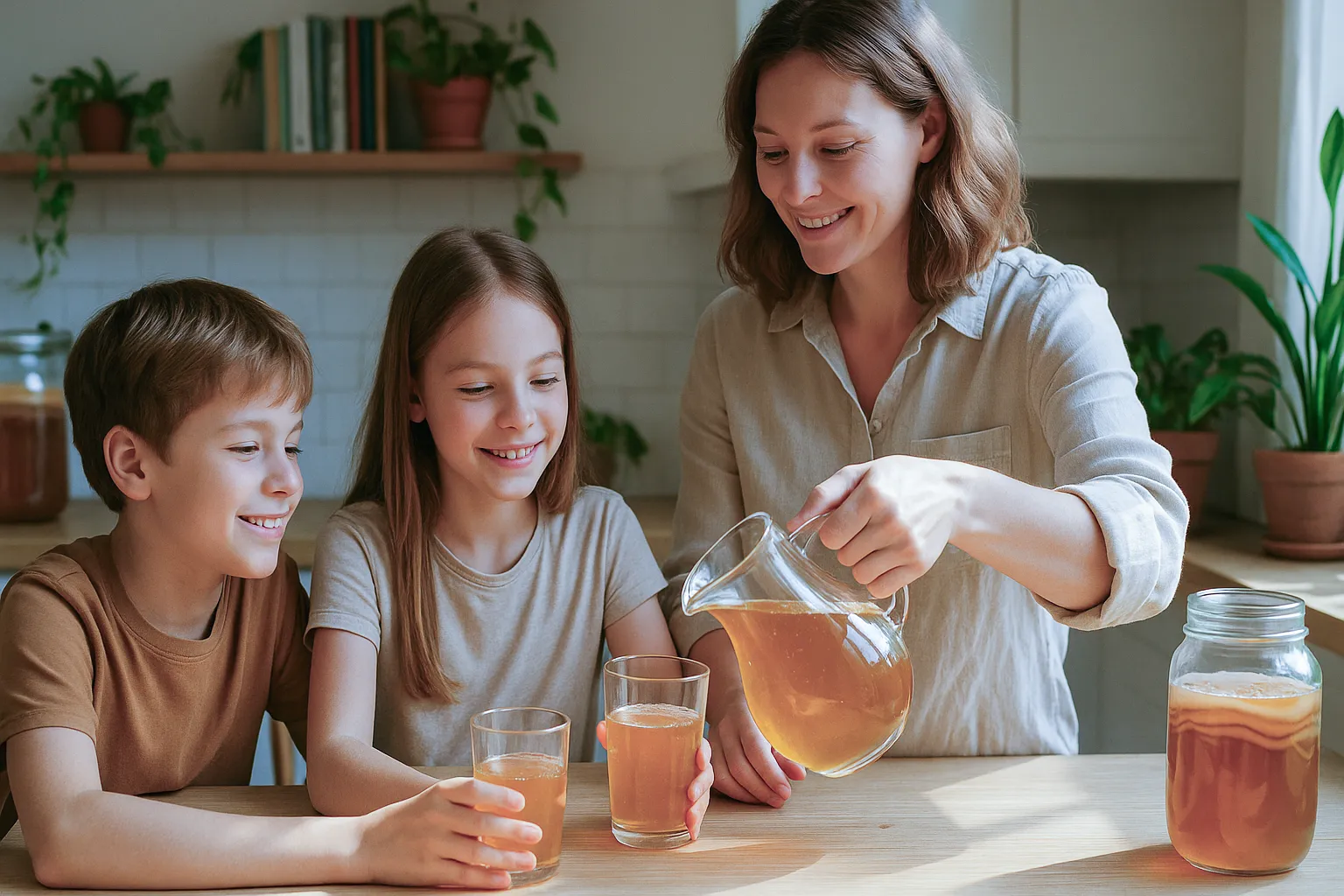
Kombucha is a popular fermented drink that has gained recognition for its potential benefits for digestion and immunity. However, when it comes to children, many parents have valid questions: at what age can you start giving kombucha to a child? What are the rules for safe consumption? Are there scientific studies confirming its benefits for a child's body? In this article, we will explore these questions in detail, based on the latest scientific data and expert recommendations.
When Can Children Start Drinking Kombucha?
The question of the appropriate age to introduce kombucha to children remains a topic of discussion among pediatric nutrition experts. Let's examine the scientific recommendations and professional opinions:
General Age Recommendations
- Under 1 year: Not recommended at all
- 1-3 years: Most experts advise against it
- 4-6 years: Possible to introduce in minimal quantities, with caution
- 7 years and older: Moderate consumption under parental supervision
According to studies published in the Journal of Pediatric Gastroenterology and Nutrition, children's immune systems and gut microbiomes continue to develop during the first years of life, necessitating a cautious approach to introducing fermented foods.
Scientific Basis for Age Recommendations
Research published in Pediatric Research indicates that the gut microbiome of children differs significantly from that of adults until 3-5 years of age, suggesting the need for careful introduction of products that can affect the gut flora.
A publication in Frontiers in Microbiology also emphasizes the need for a balanced approach to probiotic products for children, as their impact may differ from the effects on adults.
Potential Benefits of Kombucha for Children
Properly selected and safely prepared kombucha can potentially benefit a child's body:
Supporting Digestion and Gut Microflora
- Probiotic cultures present in kombucha may promote a healthy balance of gut microflora.
- Organic acids can stimulate digestion.
A study published in the Journal of Medicinal Food confirms the presence of multiple probiotic strains in well-prepared kombucha.
Supporting Immunity
- Polyphenols and antioxidants present in kombucha may support immune function.
- B vitamins, produced during fermentation, are important for various aspects of health.
Research in Nutrients shows a connection between healthy gut microflora and the development of the immune system in children.
An Alternative to Sugary Drinks
- Kombucha can be a healthier alternative to commercial sugary beverages.
- Natural carbonation and a sweet-tart taste appeal to children who enjoy bubbly drinks.
Potential Risks and Precautions
Before giving kombucha to your child, it's important to be aware of potential risks:
1. Caffeine and Alcohol Content
- Kombucha contains a small amount of caffeine from the tea base.
- A small amount of alcohol is produced during fermentation (typically 0.5-2% in homemade kombucha).
Research published in the Journal of Food Science confirms that alcohol content in kombucha can vary, which is important to consider when consumed by children.
2. Acidity
- High acidity of kombucha (pH 2.5-3.5) can affect tooth enamel.
- May be difficult for sensitive children's stomachs.
3. Risk of Microbiological Contamination
- Especially with homemade preparation, there is a risk of contamination by pathogenic microorganisms.
- Children are more vulnerable to foodborne illnesses due to their less developed immune systems.
A study in Food Microbiology emphasizes the importance of adhering to hygiene standards when preparing kombucha, especially if intended for children.
Rules for Safe Consumption of Kombucha by Children
If you decide to give your child kombucha (for children over 4 years old), follow these rules:
Introducing Kombucha to a Child's Diet
- Start with Minimal Portions
- 4-6 years: Start with 30 ml (2 tablespoons)
- 7-10 years: Start with 60 ml (¼ cup)
- 11+ years: Start with 120 ml (½ cup)
- Observe for Reactions
- Introduce kombucha and observe for 24-48 hours.
- Pay attention to any signs of discomfort, allergy, or changes in digestion.
- Gradually Increase Amount
- If no negative reactions occur, gradually increase the portion.
- Maximum recommended amounts by age:
- 4-6 years: up to 60-90 ml per day
- 7-10 years: up to 120-180 ml per day
- 11+ years: up to 240 ml per day
How to Make Kombucha Safer for Children
- Dilute with Water
- Reduces acidity and concentration.
- Recommended starting ratio: 1:1 (kombucha:water).
- Choose Less Fermented Kombucha
- Shorter fermentation period (5-7 days instead of 10-14).
- Less acidic, with lower alcohol content.
- Source of Kombucha
- For children, it's better to choose commercial brands with quality control.
- If brewing at home, use a high-quality culture (SCOBY) and follow sanitary standards carefully.
- Optimal Time of Consumption
- Best given after a meal, not on an empty stomach.
- Avoid giving before bedtime (due to potential caffeine content).
Comparison Table: Kombucha for Different Age Groups
Age GroupRecommendationsInitial DoseMaximum DoseSpecial PrecautionsUnder 1 yearNot recommended----Immature digestive system, risks outweigh benefits1-3 yearsNot recommended----Sensitive microflora, high risk of reactions4-6 yearsWith caution30 ml (diluted)60-90 mlDilute 1:1 with water, observe for reaction7-10 yearsModerately60 ml120-180 mlCheck acidity, avoid before bed11-13 yearsPermitted120 ml240 mlMonitor regularity, note reactions14+ yearsSame as adults240 ml360 mlFollow general recommendations
Signs That Kombucha Is Not Suitable for Your Child
Be alert for the following signs, which may indicate that kombucha is not suitable for your child:
Physical Symptoms
- Upset stomach, diarrhea, or constipation
- Bloating, excessive gas
- Rash or skin redness
- Headache
Behavioral Changes
- Irritability, restlessness
- Sleep disturbances
- Hyperactivity (possible caffeine effect)
Research in Pediatric Allergy and Immunology highlights the importance of monitoring children's reactions to new foods, especially fermented ones.
Alternatives to Kombucha for Children
If you have doubts about introducing kombucha or your child reacts negatively to it, consider these alternatives:
Safer Probiotic Foods
- Yogurt with live cultures – a well-researched probiotic product for children
- Kefir – less acidic, traditionally used in children's nutrition
- Non-dairy probiotic drinks specifically developed for children
Antioxidant Alternatives
- Diluted fruit juices
- Herbal teas safe for children (chamomile, mint, linden/lime blossom)
- Infused water with berries and fruits
Scientific Studies on Kombucha for Children
It's important to note that there are still limited specific studies on the effects of kombucha directly on children:
Status of Scientific Data
A literature review published in Comprehensive Reviews in Food Science and Food Safety notes the lack of clinical trials regarding the impact of kombucha on the pediatric body.
A study in the Journal of Alternative and Complementary Medicine indicates the need for more extensive clinical trials to confirm the safety and benefits of kombucha for various age groups.
What Pediatricians Say
Most pediatricians adopt a conservative approach, recommending:
- Avoiding kombucha for toddlers under 4 years old.
- Introducing it cautiously in older children.
- Preferring products with more proven safety for children.
Practical Tips for Parents
How to Determine Kombucha Quality
- Check the Source
- Commercial kombucha should have necessary certifications.
- Homemade kombucha requires proper preparation and care (using a healthy SCOBY).
- Assess Taste and Smell
- Pleasant sweet-tart taste.
- Fruity or mild vinegary aroma.
- Absence of unpleasant odors.
- Check Appearance
- Clear or slightly cloudy liquid.
- Absence of unusual spots or mold.
- For homemade kombucha – a healthy SCOBY culture.
Questions to Discuss with Your Pediatrician
- Your child's individual health characteristics that may affect kombucha tolerance.
- Potential interactions with medications if your child takes them regularly.
- Optimal age for introducing kombucha considering your child's condition.
- Possible alternatives with similar beneficial properties.
Conclusion: A Balanced Approach to Introducing Kombucha to a Child's Diet
Kombucha can be a beneficial addition to a child's diet, especially as an alternative to sugary drinks. However, introducing kombucha into children's nutrition requires a cautious, gradual approach.
Key takeaways:
- Most experts recommend waiting until age 4 before giving a child kombucha.
- Start with small amounts and observe for reactions.
- Dilute kombucha with water to reduce acidity.
- Prefer commercial products with quality control or strictly adhere to hygiene when brewing at home.
Remember that individual needs and reactions of children can vary, so consulting with a pediatrician is always the best first step before introducing kombucha into your child's diet.