
How to Make Kombucha Fizzy: 7 Proven Carbonation Methods
Introduction: Why Kombucha Carbonation Matters
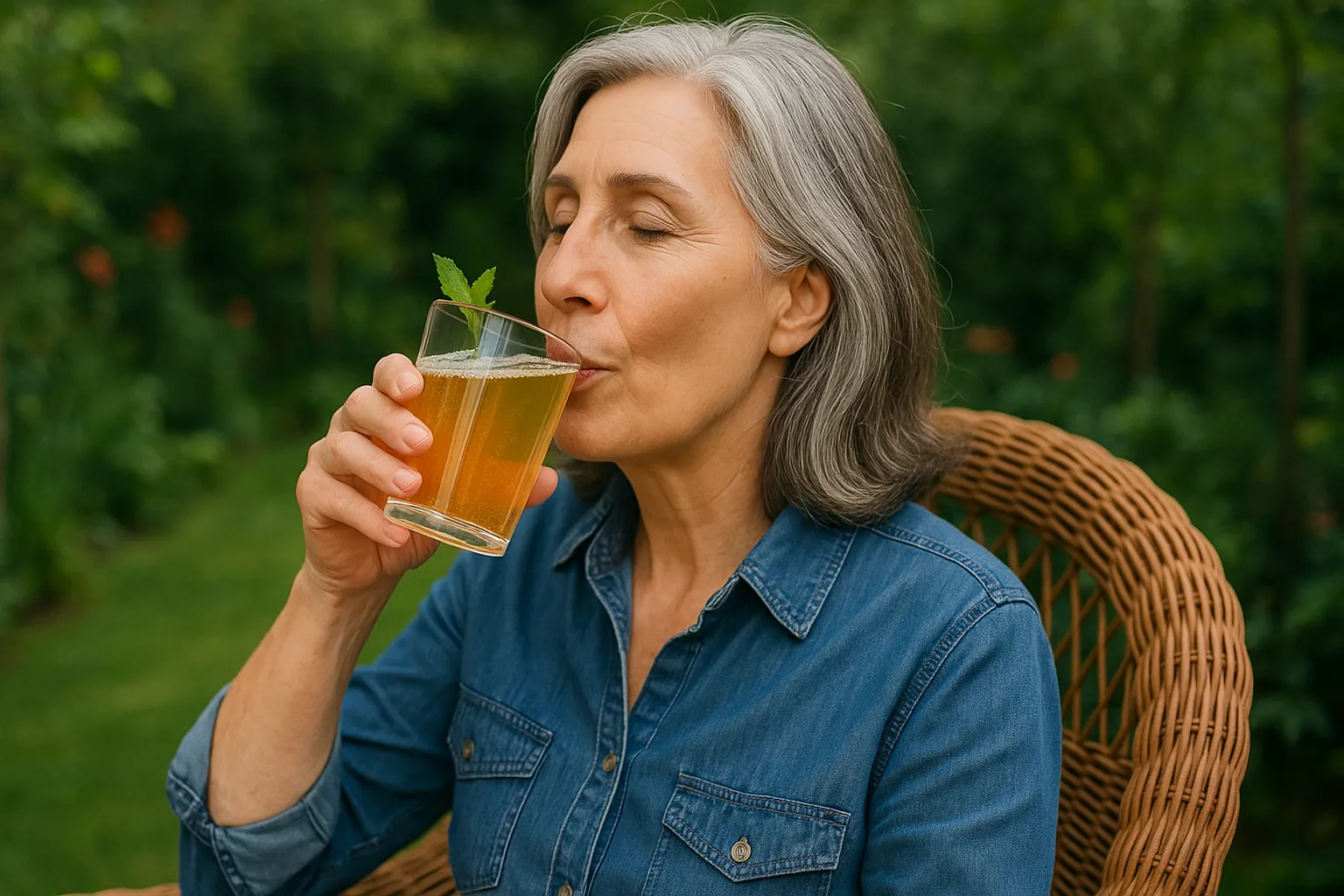
Kombucha, the fermented tea drink, has captured the hearts of many health enthusiasts not just for its probiotic benefits but also for its pleasant, refreshing taste. A key element shaping this flavor is natural carbonation – the bubbles of carbon dioxide produced during fermentation. These bubbles give kombucha its delightful lightness and a quality reminiscent of sparkling wine or champagne.
However, homemade kombucha doesn't always turn out sufficiently carbonated, and many beginners face the issue of a "flat" drink lacking the desired fizz. If you've started brewing kombucha and are aiming for a truly sparkling batch, this article is for you! We've gathered 7 proven and scientifically-backed methods to help you achieve maximum carbonation and a wonderfully bubbly beverage.
Method 1: Mastering Second Fermentation
Why It Works
Most of the bubbles in kombucha are created during second fermentation (often abbreviated as F2) – the process where the basic fermented tea is bottled without air access. At this stage, the yeast continues to process residual sugars, releasing carbon dioxide. Since the bottle is sealed, the gas cannot escape and dissolves into the liquid, creating carbonation.
How to Do Second Fermentation Right
Timing is Key: Move to F2 when the first fermentation (F1) is nearly complete but the drink still retains a moderate sweetness (usually 7-10 days after starting F1). Use Airtight Bottles: Swing-top bottles with rubber gaskets or screw-top bottles designed for carbonated beverages are best. Leave Minimal Headspace: Fill bottles to about 1-2 inches (2-3 cm) from the top to maximize pressure. Ferment for 2-7 Days: The duration depends on temperature and your desired level of carbonation.
Method 2: The Ideal Sugar Ratio
The Role of Sugar in Carbonation
Sugar is the primary fuel for the yeast in kombucha. Without enough sugar, the yeast cannot produce sufficient carbon dioxide, resulting in weak carbonation. However, too much sugar can disrupt the balance between bacteria and yeast.
Optimal Proportions and Recommendations
Basic Ratio: 70-100g of sugar per 1 liter of water for the first fermentation. Additional Sugar for F2: 5-10g per 1 liter of kombucha added just before bottling. Experiment with Different Sugars:
- White Sugar: Easiest for yeast to process.
- Cane Sugar: Adds subtle caramel notes.
- Coconut Sugar: Provides a deeper flavor but ferments slower.
Method 3: Fruit Juices & Purees for "Turbo-Carbonation"
How Fruits Boost Carbonation
Fruits contain fructose and glucose – simple sugars that yeast processes more quickly than sucrose. Additionally, fruits contain their own enzymes and beneficial wild yeasts that can boost fermentation.
Best Fruits for Carbonating Kombucha
Carbonation Champions:
- Pineapple: A champion at creating bubbles (2 tbsp fresh puree per 500 ml).
- Mango: Adds tropical flavor and excellent carbonation (2 tbsp puree per 500 ml).
- Berries: Raspberries, strawberries, blueberries (2-3 tbsp per 500 ml).
Fruit Juices:
- Apple Juice: 30-60 ml per 500 ml kombucha.
- Grape Juice: 20-40 ml per 500 ml kombucha (especially effective).
- Pear Juice: 30-60 ml per 500 ml kombucha.
Practical Tips:
- Use fresh or thawed frozen fruits.
- Mash or puree fruits for better sugar release.
- Add fruits directly to bottles before second fermentation.
Method 4: Temperature Control for Maximum Fizz
The Science of Fermentation & Temperature
The yeast responsible for carbonation is most active within a specific temperature range. Too low a temperature will slow their activity, while too high could kill them or create an imbalance favoring bacteria.
Optimal Temperature Ranges
Ideal Temperature for Carbonation: 23-27°C (73-81°F)
Temperature Guide:
- Below 20°C (68°F): Very slow carbonation.
- 20-23°C (68-73°F): Moderate carbonation.
- 23-27°C (73-81°F): Optimal carbonation.
- 27-30°C (81-86°F): Fast but risky carbonation.
- Above 30°C (86°F): Risk of overheating and unhealthy conditions.
Practical Tips for Temperature Control:
- Use a liquid thermometer.
- In colder months, place kombucha near a gentle heat source.
- In summer, avoid direct sunlight.
- For stability, keep bottles in a cardboard or wooden box.
Method 5: Choosing the Perfect Bottles for Carbonation
How Bottle Type Affects Carbonation
The type of bottle you use for second fermentation directly impacts how carbonated your kombucha will be. Key factors include airtightness, pressure resistance, and shape.
Recommended Bottles and Their Features
Swing-Top Bottles (with flip-top lid and rubber gasket):
- Provide excellent airtightness.
- Designed to withstand high pressure.
- Allow you to "burp" excess pressure without full opening.
- Recommended sizes: 330-750 ml.
Commercial Kombucha Bottles:
- Already designed for the necessary pressure.
- Have a convenient screw-on cap.
- Easily release pressure if it becomes excessive.
What to Avoid:
- Regular glass bottles with caps not designed for pressure.
- Oddly shaped bottles (square or with narrow necks).
- Low-quality plastic bottles.
Checking for Airtightness:
- Fill the bottle with water.
- Close the lid securely.
- Turn it upside down and shake.
- If it leaks, do not use it for kombucha.
Method 6: Adding Natural Carbonation Boosters
Natural Ingredients for Super Fizz
Certain natural ingredients can significantly increase kombucha's carbonation due to their high sugar content, enzymes, or ability to stimulate yeast.
Top 5 Carbonation Boosters
Ginger - The Real "Secret Weapon" for Fizz:
- Add 1-2 cm (approx. 1/2-1 inch) of fresh grated ginger per 500 ml.
- Contains natural enzymes that stimulate yeast.
- Creates stable, small bubbles.
- Adds a pleasant spiciness.
Citrus:
- Juice and zest from lemon or lime (1-2 tsp per 500 ml).
- Citrus contains pectin, which helps stabilize bubbles.
- Acidity helps hold carbon dioxide in solution.
Raisins:
- 5-7 raisins per 500 ml of kombucha.
- Contain concentrated natural sugars and wild yeasts.
- Create slow but steady carbonation.
Raw Honey:
- 1 tsp raw honey per 500 ml.
- Contains unique enzymes and natural wild yeasts.
- Creates particularly fine, "creamy" bubbles.
Syrups:
- Maple syrup (1 tsp per 500 ml).
- Agave syrup (1 tsp per 500 ml).
- Provide a smooth release of sugars.
Method 7: The Bottle Conditioning Technique
The Science of Bottle Conditioning
This method is borrowed from craft brewers and involves creating ideal conditions for slow, controlled carbonation within the bottle.
Step-by-Step Guide
Adding a "Priming Sugar" Mixture:
- Prepare a syrup with 50g sugar and 100 ml water.
- Simmer for 2 minutes, then cool.
- Add 5-10 ml (1-2 tsp) of the syrup per 500 ml kombucha before bottling.
Staged Temperature Conditioning:
- 2-3 days at 24-26°C (75-79°F) for active carbonation.
- 1-2 days at 20-22°C (68-72°F) for stabilization.
- Minimum 1 day in the refrigerator for "maturation."
The "Cold Crash" Technique:
- Once desired carbonation is reached, rapidly cool the bottles.
- This fixes the carbon dioxide in solution.
- Result: Stable, fine bubbles.
Combining Methods for Explosive Carbonation
The best results are often achieved by combining several methods simultaneously. Here are three proven combinations:
The "Classic Plus" Combo
- Ideal second fermentation (3-5 days).
- Addition of grated ginger (1 tsp).
- Addition of 1 tsp white sugar.
- Temperature maintained at 24-25°C (75-77°F).
The "Fruit Explosion" Combo
- Use swing-top bottles.
- Mix of pineapple and apple juices (total 40 ml per 500 ml).
- 3-5 raisins.
- 3 days of fermentation at 25°C (77°F).
The "Master Carbonation" Combo
- Bottle conditioning technique with a priming mixture.
- Addition of citrus zest.
- Controlled temperature schedule.
- Airtight swing-top bottles.
Safety and Practical Precautions
Preventing "Kombucha Bottle Bombs"
Excessive carbonation can create dangerously high pressure in bottles, leading to explosions. Follow these safety rules:
Regularly "Burp" the Pressure:
- Daily, slightly open bottles to release excess gas.
- Be especially vigilant in warmer weather.
Use an "Indicator Bottle":
- Use one plastic bottle alongside your glass ones.
- When the plastic bottle becomes firm, check the glass bottles carefully.
Safe Opening:
- Cool the bottle in the refrigerator before opening.
- Cover with a towel when opening.
- Open slowly, gradually releasing pressure.
Storing Carbonated Kombucha
Optimal Storage Conditions:
- Temperature of 2-4°C (36-39°F).
- Protection from light.
- Store bottles upright.
Shelf Life:
- Best consumed within 1-2 months.
- Maximum storage is usually 3 months.
- Carbonation may decrease over time.
Troubleshooting Carbonation Issues
My Kombucha Has No Fizz At All
Possible Causes:
- Inactive or unhealthy SCOBY culture.
- Temperature too low during fermentation.
- Lack of sufficient sugar or nutrients.
- Bottles are not airtight.
Solutions:
- Check your SCOBY's health (should be firm, no mold).
- Increase the temperature to 24-26°C (75-79°F).
- Add 1 tsp sugar per 500 ml during second fermentation.
- Ensure bottles are truly airtight.
The Fizz is There, But Disappears Quickly
Possible Causes:
- Insufficient second fermentation time.
- Opening too early after chilling.
- Improper storage.
Solutions:
- Increase second fermentation duration by 1-2 days.
- After opening, re-seal tightly and return to the refrigerator.
- Add a little citrus (juice or zest) to help stabilize bubbles in the next batch.
Conclusion and Tips for Beginners
Creating perfectly carbonated kombucha is an art that requires practice and experimentation. Start with a quality SCOBY culture, available from a reputable source, and then gradually implement the methods described.
Keys to Success:
- Patience: Experiment with fermentation times.
- Observation: Keep notes on the results of different methods.
- Safety: Never neglect safety rules when working with carbonated beverages.
- Ingredient Quality: Use the freshest fruits and natural additives.
By following these proven methods, you can create kombucha with ideal carbonation that rivals or even surpasses commercial options. Enjoy the creative process and share your bubbly achievements with friends and family!